

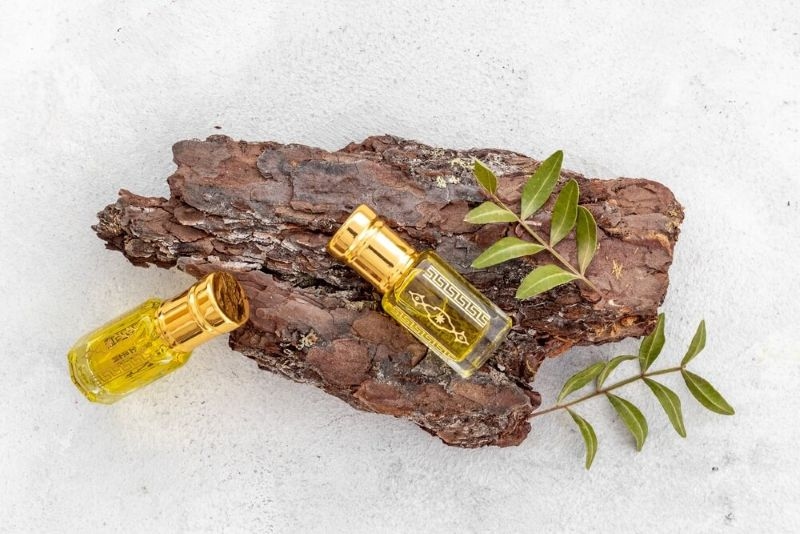
Luxury perfume is intrinsically linked to a fascinating grading system for agarwood (Oudh), which also determines the value, complexity, and rarity of oud. The grading of agarwood is frequently used in high-end perfumes, as terms related to grades, types, and quality of oud appear. Understanding these classifications will help those interested in fine perfumes or collectors recognize the true quality of agarwood in each bottle they buy.
Oudh, or agarwood, is considered one of the most expensive natural perfume ingredients available today; it is extracted from the resinous heartwood of the tree species Aquilaria (found only in Southeast Asia) and is produced only by infected Aquilaria trees. The production process yields a rich, smoky, woody fragrance that embodies luxury perfume.
It is important to understand Oudh grades so you can identify authentic oud, appreciate the differences among oud types, and recognize the highest-quality agarwood. In this guide, you will be shown how the grading of oud works, what types of oud are available, and how the experts in perfumes grade the quality of fragrances containing oud.
Agarwood (Oudh) grades refer to the classification of Agarwood based on several factors, including resin concentration, aroma complexity, colour, and wood origin. This grading/classification system is used by fragrance houses, collectors, and traders to assess the market price/value and fragrance quality of Agarwood.
High-quality Oud is very rare; as noted in conservation and congress studies by international environmental organisations, fewer than 10% of Aquilaria trees produce Agarwood naturally. The rarity of Agarwood significantly impacts the quality and price per kilogram of the finest-quality Oud oil (thousands of dollars per kilogram).
When assessing the grade of Agarwood, all or some of the following characteristics must be taken into account:
One of the most critical factors in classifying Oudh grades is the amount of resin in the wood; the higher the resin content, the richer and darker the fragrance profile will be.
The fragrance quality of premium Oud oil includes complex notes of sweet, woody, smoky, animalic, and balsamic character.
Density is the next best characteristic of a proper grade of Agarwood; higher density of wood correlates to more resin found in that specific wood.
Top-grade Agarwood will be identified by its colour, which is darker due to a higher resin content.
Understanding Oudh grades helps perfume enthusiasts identify authentic fragrances and avoid synthetic imitations. The grading system also allows buyers to distinguish between affordable blends and rare artisan oud oils that showcase exceptional oud fragrance quality.
Don't miss out: Fragrance Notes Explained to Smell Confident and Informed
The geographic region from which agarwood comes is also important in determining the quality of Oudh, and the different regions where Oudh is produced yield very different varieties. This means that the unique characteristics of the various types of oud are created by the environmental conditions at each site (for example, soil composition and the type of trees that produce agarwood).
Cambodian Oud is considered one of the best types of oud for luxury perfumery; its sweet, fruity aroma and characteristic warmth and caramel-like undertones make it highly desirable.
Because Cambodian agarwood has a balanced scent profile, it is generally of very high quality and is therefore often used to create niche fragrances.
Indian Oud is considered by many to be one of the best examples of premium Oudh grades; particularly Indian Oud produced in Assam is known for its deep, earthy fragrance with leathery and smoky undertones. This exceptional quality of agarwood is highly sought after by collectors and fragrance connoisseurs
Vietnamese Oud is another type of oud highly valued for its rich, complex fragrance profile; it tends to have sweet, spicy, and floral notes, making Vietnam the most refined type of oud.
Furthermore, due to the sophisticated scent structure of Vietnamese agarwood, it often earns superior grades and is known for its high-quality oud fragrance.
Real oud is the term used to refer to an authentic grade or product. There are some things to look for in order to determine the good quality of the flower:
Amazing quality oud will smell like strong wool and have a strong presence when sprayed on the wearer. More often, extremely high-grade oils can remain on your skin for many hours after you've applied them, and you may experience several layers of fragrance as you smell them throughout the time before the next application.
A high-quality oud fragrance will develop into distinct notes as it continues to settle on your skin. When you first smell it, you will notice that there are some low notes or a smoky wood tone, and as you continue through the scent of the flower, you will begin to add on some sweet and earthy notes, and finally, the added layer of balsamic-based scent as the scent continues to settle.
In Case You Missed It: Long-Lasting French Perfumes That Truly Stay All Day
True agarwood has warm and animalic characteristics. Synthetic oils are a poor copy of this quality.
Real high-grade oud will feel very smooth and oleaginous to the touch because it is made with pure oil from high-quality agarwood. Synthetic oils will feel a little dry and hard to the touch because they contain chemicals that can be harsh or cause problems for the skin.
The cultural importance of agarwood plays a major role in determining both the grades of Oudh and, therefore, their market value. The resin that produces agarwood forms only in a specific way under certain natural conditions. Thus, the supply of natural agarwood is limited.
Research studies by forestry research organizations and environmental agencies have documented that agarwood-producing Aquilaria trees take decades to produce acceptable-quality agarwood, due to the long time required for the development of resin deposits within the tree. Developing sustainable cultivation programs will help sustain Aquilaria trees while optimally balancing global demand for luxury products made from Oudh.
For perfume houses, identifying the highest-grade agarwood for developing an authentic niche fragrance is essential to achieving this goal. Generally speaking, the difference between average-quality oud and premium-quality oud often determines whether a fragrance is considered a luxury work of art.
Expand Your Knowledge: French Perfume Brands Guide to Choosing Your Signature Scent
When diving into luxury perfumery, the realm of Oudh ranks among the most complex—and interesting, within this highly technical industry. Understanding Oudh grades, the various factors that define quality levels of true Agarwood, and how these components influence the quality of overall Oudh output will aid in your journey to discover the best Agarwood to create Oudh.
Oudh grades are used by fragrance consumers & collectors to create a similar level of quality. Understanding Oudh grades and types will add value to you as a fragrance collector or an artisan perfumer using Oudh in your creations. Understanding Oudh will help you appreciate the craftsmanship and rarity that make each drop a special experience.
As Oudh's global popularity continues to rise, being able to recognize the varying levels of Oudh, identify the highest-quality Agarwood, and identify genuine Oudh fragrance will provide you with a clear path to navigating the luxurious world of Oudh.
Several types of oud exist, mainly based on geographic origin. Popular varieties include Indian, Cambodian, Vietnamese, and Malaysian oud. Each produces unique scent profiles that influence the quality of oud fragrance and overall agarwood grades.
Agarwood is rare because it forms only when Aquilaria trees become infected with a specific mold. This natural process produces resin responsible for the scent, which determines agarwood quality and valuable Oudh grades.
High-quality oud fragrance features rich, complex aromas, long-lasting projection, and smooth, natural warmth. Premium agarwood grades also evolve in scent over time, revealing multiple layers of woody, smoky, and sweet notes.
This content was created by AI