

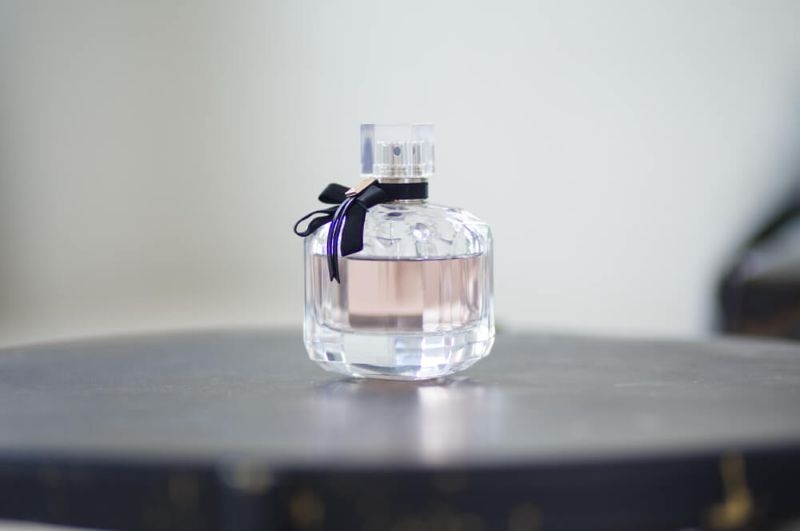
Perfume is emotional. It is memory, mood, identity, and sometimes confidence in a bottle. That is why buying a French perfume feels special. You are not just purchasing a scent. You are buying craftsmanship, heritage, and a promise of quality.
And that is exactly why counterfeiters love this space.
Fake French perfumes flood markets, online listings, and even physical stores. Some are obvious. Many are not. Some smell convincing for the first ten minutes, then collapse into something sharp, flat, or worse, irritating.
That is where authentic french perfume identification becomes less about being picky and more about protecting your money, skin, and expectations.
This guide breaks everything down in human terms. No chemistry degree required. Just careful observation, common sense, and a little patience.
The box tells a story before the bottle ever does.
Authentic French perfumes use high quality packaging. Cardboard feels sturdy. Printing looks sharp. Colors are consistent. Fonts are clean and aligned.
Counterfeit boxes often show tiny mistakes. Slightly blurry text. Incorrect spacing. Logos that feel off when compared closely to official images.
Look for spelling errors. They still happen more than people expect.
Cellophane wrapping should be tight and smooth. Loose plastic or uneven folds signal shortcuts.
Luxury brands do not rush packaging.
French perfumes carry prestige.
Names from Paris, Grasse, and historic perfume houses command high prices. Where value exists, imitation follows. Counterfeiters know most buyers rely on brand names and packaging rather than deep inspection.
Online shopping made it easier. Discount marketplaces, social media sellers, and “too good to be true” deals blur trust lines.
Many buyers do not realize they bought a fake until weeks later, when the scent fades unnaturally or causes skin irritation.
That delayed disappointment is exactly why learning how to spot fake perfumes early matters.
Batch codes matter. Authentic perfumes include batch or lot numbers printed or engraved on both the box and the bottle. These numbers must match exactly.
Check placement. On real products, codes are cleanly stamped or laser etched. On fakes, they are often printed poorly, smudged, or missing entirely.
Many brands allow online code lookup to verify production dates. This simple perfume authenticity check can reveal red flags quickly.
If a seller refuses to show batch codes before purchase, that is your cue to walk away.
Pick up the bottle. Authentic French perfume bottles feel balanced and solid. Glass is thick, smooth, and evenly molded. No bubbles. No rough edges.
Caps fit perfectly. They click or rest securely. They do not wobble or feel loose.
Sprayers release a fine, even mist. Cheap sprayers produce uneven streams or drip.
These details are expensive to replicate. Counterfeiters often cut corners here.
This is one of the easiest ways to judge real vs fake fragrance differences without even smelling it.
.jpg-final-blog-2-2-1766996611-r.jpg)
Smell is important, but timing matters more.
Fake perfumes often smell convincing at first. That is intentional. They copy top notes because those are easiest to replicate.
The difference appears after 15 to 30 minutes.
Authentic French perfumes evolve. They soften. They deepen. Middle and base notes emerge gradually.
Fakes collapse. They turn sharp, alcohol heavy, or disappear entirely.
Longevity matters. Projection matters. Complexity matters.
A genuine fragrance tells a story over hours, not minutes.
Luxury perfumes are expensive for a reason.
Rare ingredients. Skilled perfumers. Quality control. Packaging. Distribution. All of it costs money.
Massive discounts without explanation should raise suspicion. Especially for new releases or popular bestsellers.
Seasonal sales exist. Clearance exists. But 70 percent off a fresh launch is unlikely.
Trust pricing logic. It is one of the strongest counterfeit perfume signs buyers ignore.
Where you buy matters as much as what you buy.
Authorized retailers list their partnerships openly. Brand websites often include store locators.
Online marketplaces vary wildly. Look for sellers with verified purchase histories, clear return policies, and detailed product photos.
Avoid listings that reuse stock images only. Authentic sellers usually show real packaging photos.
This is a core step in fragrance verification that saves frustration later.
French perfumes follow strict labeling standards.
Ingredient lists use standardized naming conventions. Font size and alignment remain consistent.
Fake labels sometimes miss accents, use incorrect ingredient names, or place information oddly.
Check country of origin. Authentic French perfumes clearly state production in France.
Vague wording like “inspired by” or “French style” is not the same thing.
Wear the perfume for a full day.
Observe how it behaves on skin. Does it remain balanced? Does it change naturally? Does it irritate?
Authentic perfumes interact with skin chemistry smoothly. Fakes often feel harsh or synthetic after extended wear.
Skin reactions are a serious warning sign. Cheap ingredients and improper dilution can cause discomfort.
Your skin usually knows before your brain does.
This sounds strange, but many buyers notice it.
Authentic perfumes feel intentional. Balanced. Thoughtful.
Counterfeits feel rushed. Loud at first. Empty later.
That emotional disconnect often accompanies physical quality differences.
Trust intuition. It is often responding to subtle inconsistencies your conscious mind has not fully processed.
Reputable sellers stand by authenticity.
Clear return policies indicate confidence. Vague or restrictive return terms signal risk.
Avoid sellers who refuse returns on opened products without reason. That is common in counterfeit operations.
A transparent return process supports your perfume authenticity check even after purchase.
Vintage French perfumes are special and risky.
Aging affects scent naturally. Packaging may differ from current versions. This creates confusion.
Buy vintage only from specialized sellers with documentation. Ask for storage details. Ask for photos.
Authentication becomes more complex here, but careful sourcing still prevents most issues.
Social platforms blur advertising and selling.
Influencer promotions do not guarantee authenticity. Some sellers use borrowed credibility to move counterfeit stock quickly.
Always verify independently. Never rely on endorsements alone.
Hype does not equal legitimacy.
Myth one. Fake perfumes always smell bad. Not true.
Myth two. Fake perfumes are easy to spot. Not anymore.
Myth three. Expensive means authentic. Also false.
Understanding these myths strengthens authentic french perfume identification by keeping expectations realistic.
Many buyers learn the hard way.
A disappointing purchase. A skin reaction. A scent that vanishes by lunchtime.
Education costs nothing. Regret costs money.
Knowing how to evaluate perfumes empowers smarter buying decisions long term.
Confidence comes from repetition.
The more authentic perfumes you experience, the easier comparison becomes. Differences stand out naturally.
Start slow. Compare side by side. Use official brand references.
Over time, authenticity becomes intuitive rather than stressful.
Perfume is personal.
It deserves care, attention, and respect. Authentic French perfumes offer artistry and quality that counterfeits cannot truly replicate.
Learning authentic french perfume identification protects not just your wallet, but your experience.
Trust your senses. Trust logic. Ask questions.
Good perfume should feel like a reward, not a risk.
Check seller credibility, pricing realism, packaging quality, and matching batch codes on the box and bottle.
Not always. Authorized retailers and reputable sellers offer legitimate discounts, but extreme price cuts should raise concern.
They can. Counterfeit perfumes often use lower quality ingredients that may cause irritation or allergic reactions.
This content was created by AI