

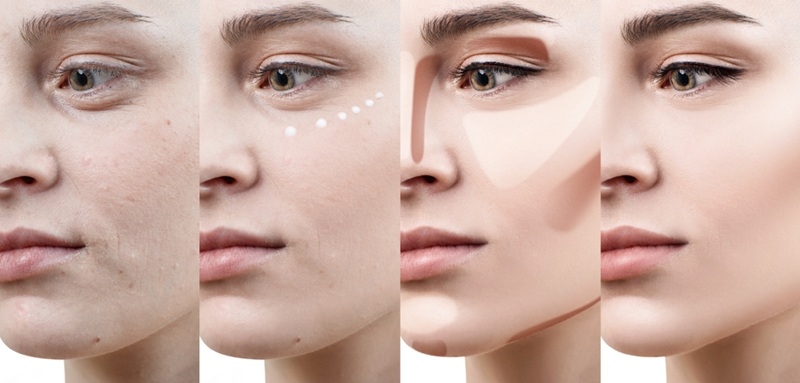
Getting your makeup to look just right can feel tricky. Sometimes it’s cakey; other times it disappears by lunch. The secret often isn’t the products you buy, but the order in which you use them. Knowing the correct makeup sequence is like having a map for your face. It turns a guessing game into a sure thing. This makeup guide will walk you through the layering makeup steps that professionals use, resolving the considerable debate: should you apply foundation before concealer, and what comes first in your makeup routine overall?
Here’s the thing: the correct makeup application order creates a smooth base, makes your colors pop, and helps everything last for hours. Let’s break it down step-by-step.
Makeup application order controls how products sit on the skin. When steps are mixed up, makeup can slide, crease, or appear heavy. The correct makeup sequence allows each layer to work as intended. What this really means is better wear time, a smoother finish, and fewer touch-ups later.
A clear makeup guide helps.
Understanding what comes first in makeup saves time and frustration.
Before any color is applied, the skin needs to be prepared. This step is often skipped, yet it matters most. In the makeup application order, skin prep creates the base for everything else.
Basic skin prep includes
Skipping this step breaks the correct makeup sequence. Layering makeup steps only works well on prepared skin.
Primer comes after skincare and before makeup products. In the makeup application process, primer smooths the texture and helps the makeup adhere. Not every face requires a heavy primer, but light use can be beneficial.
Primer benefits include
In any makeup guide, primer sits between skincare and base makeup. Knowing what comes first in makeup keeps primer from being wasted.
One common question is whether to apply foundation before concealer or the other way around. Here’s the thing: foundation before concealer works best for most people. Foundation evens out skin tone first, which means less concealer is needed.
Why does the foundation before concealer work
In the correct makeup sequence, concealer fine-tunes after foundation. Layering makeup in this order helps keep the skin looking natural.
Concealer hides specific spots, not the whole face. In the makeup application order, it follows foundation. Small amounts work better than thick layers.
Use concealer for
Blend gently to avoid lifting the foundation. This step supports the idea of applying foundation before concealer and enhances the layering of makeup steps.
After cream products, a setting is needed. Powder comes next in the order of makeup application. It prevents creasing and shine.
Setting options include
Apply lightly where needed. The correct makeup sequence avoids heavy powder all over the face.
Color products come after the base is set. In the makeup application order, these steps add shape and warmth.
Order usually follows
This makeup layering step order helps prevent colors from mixing badly. A good makeup guide always groups these steps.

Highlighter sits on top of other face products. In the correct makeup sequence, it comes after blush and contour.
Why this matters
Knowing what comes first in makeup helps highlighter stand out the right way.
Eye makeup can be done before or after the base. Both ways work, but many prefer eyes after the base for balance. The makeup application order depends on eye look style.
Common eye makeup order
If fallout occurs, clean up before applying the spray. Layering makeup steps stays flexible here.
Brows frame the face and guide the application of eye makeup. In the correct makeup sequence, brows usually come before heavy eye makeup.
Benefits of early brow placement
A makeup guide often places brows right after base makeup.
Lips are finished toward the end of the makeup application order. This allows time to prep lips while working on the face.
Lip order includes
Applying lip last keeps color fresh and clean.
Setting spray is the final step. It melts layers together and improves wear. In the makeup application order, it seals everything.
Benefits include
This step ensures that the layering makeup steps are correctly completed.
Mistakes often cause makeup to fail. A clear makeup guide helps avoid these issues.
Common errors include
Following the correct makeup sequence typically resolves most makeup issues.
Skin type can adjust the order slightly. Oily skin may set earlier. Dry skin may skip heavy powder.
Still, the core makeup application order stays the same.
Short routines still need order. Even fast makeup follows the same logic.
Quick order example
What comes first in makeup stays consistent even when time is short.
Knowing the correct makeup sequence removes guesswork. Makeup feels easier and more fun. Layering makeup steps correctly leads to better results without stress.
Confidence grows when
A strong makeup guide supports learning and trust.
Makeup application order shapes how makeup looks and lasts. Understanding the correct makeup sequence, following the proper layering steps, and respecting the order of application helps create clean, natural-looking results. A simple makeup guide makes daily makeup easier and more reliable.
Do your foundation and face makeup first. This lets you clean up any eyeshadow fallout without having to redo your concealer or corrector underneath your eyes.
Sunscreen is always the last step of your skincare and the very first layer on your skin, before any primer or makeup. Let it dry down entirely for a few minutes.
Cream blush should be applied right after foundation and before you set with powder. Powder blush goes on after your setting powder. This keeps the correct makeup sequence for textures.
If you have oily skin or want long wear, yes. Powder sets liquid products, and spray locks everything in. For dry skin, skip the powder and use a hydrating setting spray instead.
This content was created by AI