

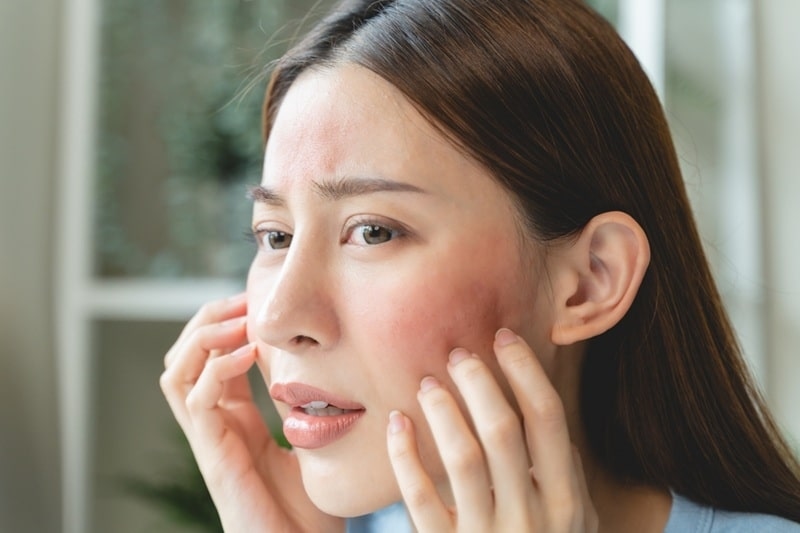
Sensitive skin does not announce itself politely. It flares up when you least expect it. A new foundation. A borrowed lipstick. A rushed removal at night. Suddenly there is redness, stinging, tiny bumps, or a breakout that feels unfairly dramatic. For people with sensitive skin, makeup can feel like a gamble instead of a joy. But it does not have to be that way.
With the right approach, makeup for sensitive skin can be comfortable, confidence boosting, and predictable. No burning. No surprise reactions. No skin punishment for wanting to look put together. This guide focuses on doing makeup in a way that respects skin first and aesthetics second. Because healthy skin always looks better than irritated skin trying to hide.
Makeup performance depends on what comes before it. Clean skin should feel calm, not tight. Moisturizer should absorb fully before makeup touches the face. Rushing this step leads to patchiness and irritation. A simple prep routine supports everything that follows. Fewer products. Gentle formulas. Time between layers. This foundation matters more than any concealer trick.
Sensitive skin is not weak. It is reactive. The skin barrier is either thinner, compromised, or easily disrupted. That means ingredients penetrate faster and irritants trigger responses sooner. Fragrance, alcohol, harsh pigments, and heavy preservatives are common triggers. Even tools and application pressure can cause reactions. Understanding this changes the goal. Makeup should work with the skin barrier, not test its limits.
Marketing can be misleading. Words like clean, natural, or dermatologist approved do not guarantee safety. Ingredients do. Sensitive skin benefits from shorter ingredient lists and familiar soothing agents like glycerin, ceramides, aloe, or niacinamide. Avoiding known irritants is part of choosing gentle beauty products that behave predictably.
Heavy foundations often trap heat and friction. Lightweight, buildable formulas allow skin to breathe. Liquid or serum foundations usually perform better than thick creams or powders for sensitive skin. Look for formulas designed to neutralize redness without relying on heavy pigments. This is where hypoallergenic makeup can offer a safer starting point, though patch testing is still essential.
Over concealing creates texture. Instead of layering thick product everywhere, use minimal concealer only where needed. Dab. Do not drag. Choose creamy formulas that move with skin rather than drying it out. Less coverage often looks better on reactive skin.
Powder can be a problem area. Many powders contain talc or fragrances that irritate sensitive skin. Overuse also emphasizes dryness and redness. If powder is needed, apply lightly and only where shine actually appears. Matte skin is not worth discomfort.
Cheek products often cause reactions because the skin there is delicate. Cream blushes usually outperform powders for sensitive skin. They melt in rather than sit on top. Stick to soft, neutral tones that require less blending. Heavy blending equals friction, which sensitive skin does not enjoy.

The eye area is fragile. Mascara flakes, eyeshadow fallout, and liner transfer can irritate eyes quickly. Waterproof formulas can be especially harsh during removal. Choose eye products labeled for sensitive eyes and contact lens wearers when possible. This reduces the risk of irritation and supports irritation free makeup application.
Lips absorb ingredients easily. Strong fragrances, plumping agents, and long wear formulas often cause dryness or tingling. Creamy lipsticks and tinted balms are safer choices. Comfort matters more than staying power. Healthy lips look better than cracked ones.
Dirty or rough tools cause problems. Brushes should be soft, clean, and used gently. Sponges should be damp and replaced regularly. Fingers are sometimes the best tools. Warmth helps product blend with less pressure. This is one of the most overlooked skin safe makeup tips.
Sensitive skin looks best when not overloaded. Minimal makeup reduces the risk of reactions and allows skin texture to show naturally. A calm complexion with light coverage often appears healthier than full coverage hiding irritation underneath. Makeup should enhance, not mask distress.
Makeup removal can undo a good routine. Harsh wipes, aggressive rubbing, and strong cleansers disrupt the skin barrier. Use gentle cleansers or micellar water and take your time. Dissolve makeup before wiping. This step is critical for maintaining a healthy sensitive skin routine long term.
Patch testing saves skin. Test new products on the jawline or behind the ear for several days before full application. Immediate reactions are not the only concern. Delayed reactions happen too. Patience here prevents regret later.
Redness and breakouts are not the same. Redness often signals irritation. Breakouts can signal clogged pores or ingredient incompatibility. Treat them differently. Switching products blindly often worsens the issue. Observe patterns. Your skin communicates clearly if you listen.
The goal is not perfection. The goal is consistency. Products that behave the same way every time build trust. Skin relaxes when it is not constantly challenged. This mindset transforms makeup from stress to routine.
Fragrance adds nothing functional to makeup. It exists to sell, not to support skin. For sensitive skin, fragrance is one of the most common triggers. Fragrance free does not mean boring. It means respectful. Choosing fragrance free is one of the simplest skin safe makeup tips.
Makeup can cause breakouts indirectly. Occlusion, poor removal, or expired products contribute. Brushes and sponges can harbor bacteria. Replace products regularly. Clean tools weekly. Breakouts often reflect habits, not just formulas.
Skin reacts to more than products. Stress, weather, pollution, and hormones influence sensitivity. Makeup that worked last year may fail now. Adapt routines as skin changes. Flexibility matters.
A daily routine should feel boring in a good way. Same products. Same steps. Same results. This reliability builds confidence and reduces skin anxiety. Consistency supports makeup for sensitive skin better than experimentation.
Do not push through irritation. Stinging, itching, or redness are signals to stop immediately. Skin does not toughen up. It breaks down. Respect early warnings.
Sensitive skin deserves patience. Makeup should not feel like a risk. With thoughtful choices, it becomes supportive rather than stressful. Focus on comfort, simplicity, and observation. When skin feels calm, makeup looks better naturally. Always.
Yes, as long as products are gentle, properly removed, and suited to the skin’s needs.
Not always. Hypoallergenic reduces risk but patch testing is still important.
Use fragrance free products, minimize layering, prep skin well, and stop using any product that causes stinging or heat.
This content was created by AI