

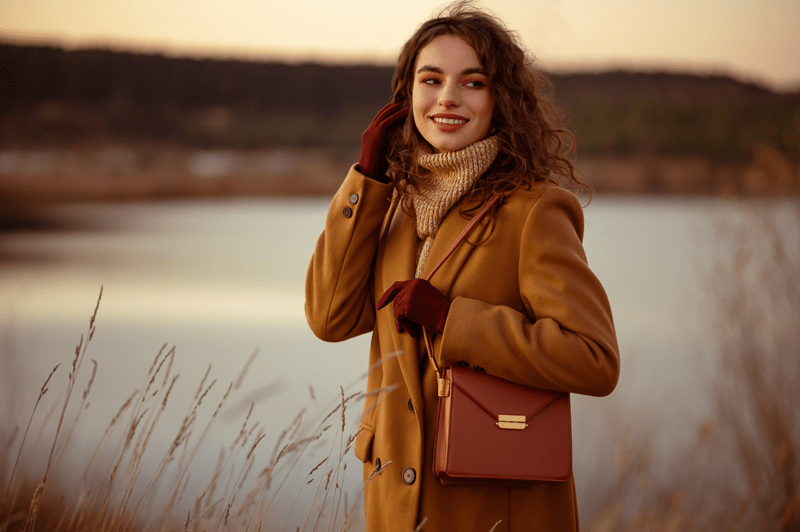
Buying a handbag sounds simple until you are standing in a store or scrolling online at midnight with twenty tabs open. Everything looks good. Everything claims to be timeless. Everything feels like it could be the one. And yet, a few months later, that same bag sits untouched in the corner while you reach for something else.
That is not bad taste. That is bad alignment. A handbag is not just an accessory. It is something you live with. You carry your day inside it. Your habits, your mess, your rhythm. Choosing the wrong one feels irritating in small ways that add up fast.
This handbag buying guide is here to slow the process down and make it smarter. No trends chasing. No pressure. Just clear thinking that leads to a bag you actually use and enjoy.
Weight matters more than most people expect. A heavy bag becomes unbearable once filled. Hardware, thick leather, and rigid structures add pounds quickly. Lift the bag empty. Imagine it full. Be realistic. Lightweight construction is a luxury disguised as practicality.
Regret usually comes from one mistake. Buying with the eyes instead of the lifestyle. A bag can look beautiful and still be completely wrong. Too heavy. Too small. Too structured. Too delicate. Too loud. Too impractical. People imagine a version of themselves when buying a bag. Then reality shows up. Commutes. Errands. Weather. Workdays. Real clothes. Smart buying starts with honesty, not aspiration.
Before looking at styles, ask a few blunt questions. Does this bag need to handle daily use or occasional outings? Will it be carried for hours or minutes? Does it need to fit a laptop, a water bottle, or just essentials? These answers matter more than brand names. The best bag selection tips always begin with function. Fashion follows later.
Size mistakes are common. Too small means constant rearranging. Too big means shoulder pain and clutter. The right size feels invisible when carried. Everyday bags should fit daily essentials with a little breathing room. Not stuffed. Not empty. This is where everyday handbags succeed or fail. They should adapt to your day, not force adjustments.
How you carry a bag affects everything. Shoulder bags distribute weight differently than crossbody styles. Totes look chic but demand arm strength. Backpacks free your hands but change your silhouette. Pay attention to what feels natural. Comfort shows in posture and confidence. No bag is worth daily discomfort.
Material choice is where smart buying really shows. Leather ages. Faux leather peels. Canvas relaxes. Nylon resists weather. There is no universal best, but there are clear tradeoffs. Durable materials forgive heavy use. Delicate materials demand care. This is the foundation of quality handbags that last beyond a season.
Details tell the truth. Zippers should glide smoothly. Clasps should close securely. Stitching should be even, tight, and consistent. Loose threads or misaligned seams signal shortcuts. High quality bags feel intentional, even inside. Especially inside.
Trendy colors age fast. Neutral tones survive longer because they blend effortlessly. Black, tan, brown, navy, and muted shades work across outfits. If color excites you, add it later with a secondary bag. Your main bag should support your clothes, not compete with them.
Structured bags look polished. Slouchy bags feel relaxed. Neither is better. They send different signals. Structured bags work well in professional settings. Slouchy bags adapt to casual, flexible lifestyles. Your environment should guide this decision, not social media.
Straps deserve attention. Thin straps dig into shoulders. Adjustable straps add versatility. Removable straps extend use across occasions. Crossbody options provide flexibility even if you do not use them daily. This is one of those bag selection tips people only learn after discomfort sets in.
Interior organization matters. Pockets, dividers, and compartments prevent chaos. Too many compartments create frustration. Too few create clutter. Think about what you carry most. Phone. Keys. Wallet. Makeup. Tech. The interior should support habits, not fight them.
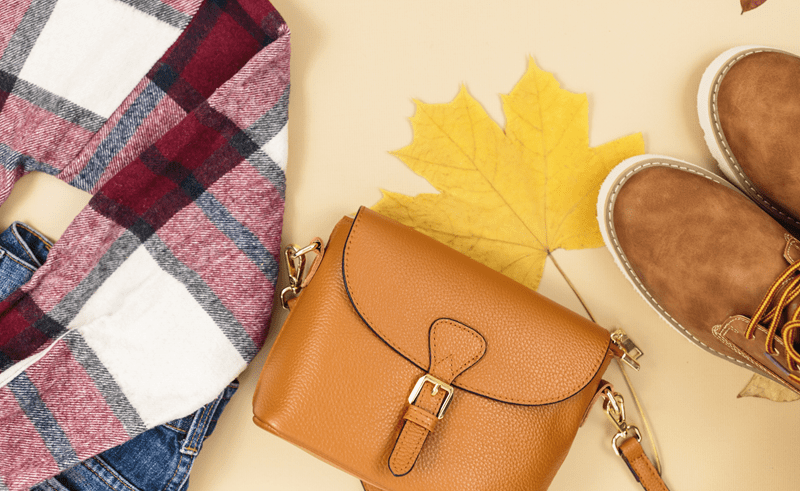
Expensive does not automatically mean better. Cheap does not always mean disposable. The real metric is cost per use. A bag worn daily for years becomes affordable, regardless of price tag. This mindset defines smart bag investment tips more than logos ever will.
Evening bags, statement bags, and seasonal pieces are fun. They should come after your primary bag is sorted. Building a solid base allows freedom later without regret. Your first priority should always be a reliable everyday option.
Daily bags experience the most wear. They get tossed on chairs. Exposed to weather. Overfilled. Underappreciated. This is where investing slightly more makes sense. Strong stitching, durable materials, and thoughtful design pay off over time.
A bag that hurts will never feel stylish. Comfort affects confidence. Confidence affects how clothes and accessories come together. When a bag feels right, it disappears. When it feels wrong, it dominates attention. Style works best when it is effortless.
Weather matters. Rain, heat, cold, and humidity affect materials differently. Leather reacts to moisture. Fabric absorbs. Hardware corrodes. Choose materials that tolerate your environment. This practical thinking saves money and disappointment.
Even the best bag needs care. Proper storage. Gentle cleaning. Avoiding overload. Choosing wisely reduces maintenance stress. That is the quiet power of quality handbags selected with intention.
Emotion drives impulse purchases. Rational thinking prevents regret. Balance both. If a bag excites you and fits your life, that is ideal. If it only excites you, pause. Smart buying respects excitement without surrendering to it.
A handbag should support your life, not complicate it. The smartest choices come from honesty, patience, and attention to detail. Use this handbag buying guide as a filter, not a rulebook. Choose what works. Ignore the rest. When a bag feels right, you will know. And you will keep reaching for it.
Choose based on what you carry daily. The bag should fit essentials comfortably without feeling bulky or empty.
Not always. Quality depends on materials, construction, and design, not just price or brand name.
One reliable everyday bag is essential. Additional bags can be added for specific occasions or styles later.
This content was created by AI