

A typical scenario might be standing in front of a fully stocked closet, yet still wondering what to wear. There could be a problem neither with the fashion style nor the cut of clothes, but only with their colors. Certain colors are known to automatically enhance your face, whereas others give you a tired look even if you are perfectly alert and refreshed.
This is where basic concepts in seasonal color analysis can be convenient. This tutorial describes the idea clearly so you can easily apply it to everyday fashion.
Seasonal color analysis is a procedure for classifying individuals according to how colors affect their complexion, hair, and eyes. The process aims to find shades of color that provide harmony rather than contrast in terms of being displeasing. Understanding the basics of seasonal color analysis will enable you to identify colors that are naturally flattering to you.
Thus, this system of fashion has been widely adopted under color-matching fashion because this concept focuses not only on fashion trends but also on fashion and color harmony. When your clothes and coloring match, even simple attire looks complete on you.
The system consists of four main seasons, which are inspired by nature. All seasons portray a mix of warmth, coolness, and contrast.
Knowing these types is considered essential in seasonal color analysis basics, although it is generally important to keep in mind that some people are between seasons. There are people who do not belong to the typical four seasons.
Your Personal Color Palette refers to the set of colors that look most favorable on you. To determine your personal color palette, you need to begin with your skin undertones. Warm undertones are generally seen when you have gold or peach skin tones, while you may have pink or blue undertones.
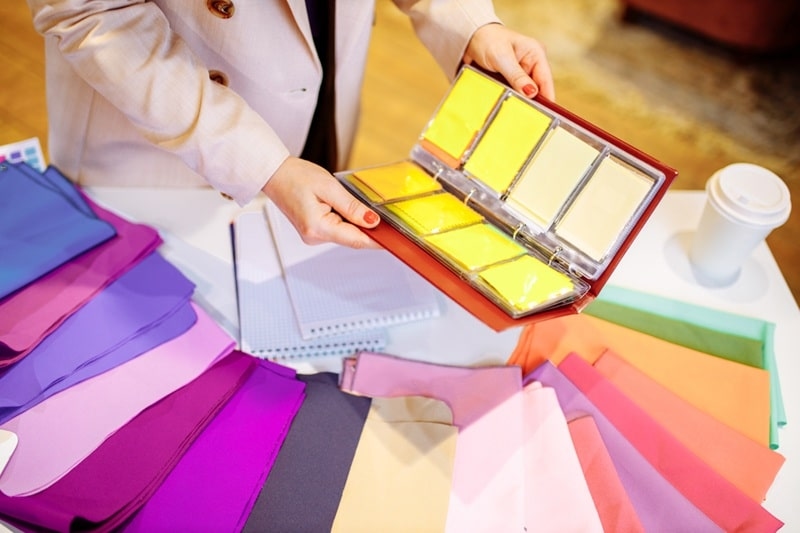
Also, consider the difference between your hair color, skin tone, and eye color. If the contrast is high, it will suit bold colors, but if the contrast is low, it will suit softer shades. You can judge by moving various fabrics close to your face when exposed to natural light.
Over time, these observations assist you in creating a good personal color palette that you would use for clothing, accessories, and even makeup.
If the colors of the clothes harmonize with each other and with your natural appearance, the look appears effortless. This happening is termed style harmony because all aspects blend together, rather than the odd one out being noticed for the wrong reasons.
The basics of seasonal color analysis to support this unity are to limit your options to colors that belong together. It is not about stifling your imagination. It is just to ensure that your combinations are deliberate rather than accidental.
Once you understand what your season is, the concept of color-matching fashion is much simpler to apply. Begin with the items you wear nearest to your face. These include tops, jackets, or scarves. Colors picked from your seasonal palette in these categories provide the strongest results.
Pants, shoes, and bags can be more versatile, but it is still a good idea to consider your seasonal range. With time, you will realize that it becomes easier to create combinations since most of the things mingle well.
This way, you get to follow the latest trends while remaining committed to the shades that suit you.

A wardrobe colors guide is just a simple, to-the-point list of colors that are most flattering to you. You can start with the basic colors, those that are in harmony with your type. For instance, you feel better in blue rather than black, and in ivory as opposed to white.
Now, add some accent colors that will add interest and variety. When you are shopping, compare your new purchase to this guide. If the color is a match, it will likely mix well with your closet.
The use of a wardrobe color guide with seasonal color analysis basics prevents impulse buying and leads to a coordinated wardrobe with which natural-looking outfits are easily created.
Small changes can result in big differences in the appearance of clothes. The outfit color tips below can help you implement winter ideas in everyday life, so make your best colors visible with these tips:
Adherence to these outfit color tips ensures that the clothes worn are always fashionable without the need for an entire makeover of the closet.
Accessories are very important for maintaining style harmony. Accessories, including scarves, jewelry, and glasses, are close to the face and either add or detract from harmony. Using accessories with colors corresponding to your season will keep the overall effect harmonious.
Experimentation lovers: Accessorize to also test some new colors on your body because, besides clothes, another good way to get a new look is by using your personal color palette and mixing it with some fun stuff.
What many believe is that personal style is limited by color analysis. On the contrary, it is quite simple. Learning about seasonal color analysis basics removes frustration when selecting clothing. A common myth associated with fashion is that one has to follow fashion trends completely. Fashion trends can be incorporated into one’s wardrobe by picking colors that suit one’s season.
Additionally, some people think that color analysis is used for formal clothes, whereas it can be applied to casual and office wear as well.
Understanding your color season helps you make informed purchasing decisions. You no longer consider a color by store lighting or by a catchy store display. You evaluate if it matches your color guide.
As time passes, your wardrobe will be more integrated, and the process of dressing and undressing will be simplified. Following the basics for seasonal color analysis when shopping ensures spending money on clothing that can be enjoyed.
Seasonal color analysis can be helpful in understanding colors that suit you. By understanding the basics and developing a personal color palette, you can enhance fashion matching and develop harmonious clothing.
A helpful guide and simple fashion matching tips can help you to dress with ease and confidence. By matching the colors to your natural features, you can develop style harmony and look polished with little time and effort.
Yes, the system works well on all skin tones and ensures emphasis on harmony over rules.
Note first the undertones, contrast, and the skin tones you find most flattering.
You can, but keeping major pieces in the same palette helps to maintain style harmony.
Trends will change, while the best tips on outfit color remain the same.
This content was created by AI